_edited.png)


What Tomorrow Generals’ Elections Mean For the Future of Arakan and Myanmar
Opinion December 27, 2025
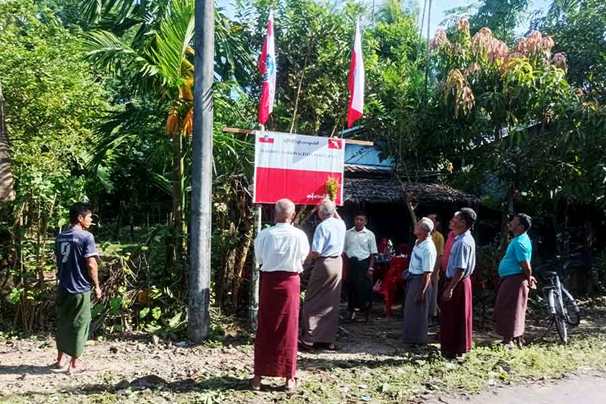
True elections let people pick leaders who rule with their clear consent. This idea builds legitimacy—the quiet agreement that power comes from the ruled, not forced upon them. History shows societies everywhere have chosen rulers through some form of vote. In modern times, the reason behind supporting a person or party boils down to this: genuine consent creates stable governance.
The generals' upcoming polls twist this idea upside down. They claim a path to democracy, but the process lacks real choice, fair rules, or broad access. Voting skips vast areas where the military holds no sway, including most of Rakhine State. Only a few spots there—perhaps three scattered places—will see ballots. This setup contradicts the core of elections: rulers gaining consent from those they govern. Instead, it deepens Myanmar's legitimacy crisis, turning a practical tool for peace into a source of more division.
This crisis hits hard in practice, not just theory. The generals dissolve popular parties, redraw laws to favor loyalists, and hold votes amid war. People across the country view the military as the main threat to the nation. After the polls, a new government—backed by the unpopular 2008 constitution—will emerge, but public anger won't fade. Military leaders will hide behind constitutional roles, widening the gap between them and the population. This deadlock harms even the junta itself, locking it into endless conflict without true support.

For central Myanmar and groups tied to the National Unity Government, these elections pose a sharp challenge. A post-vote regime might pretend to be the country's sole voice abroad, seeking deals or recognition. Some nations could bite, splitting international pressure. But in western lands, where local forces run daily life—courts, schools, taxes, security—the story differs. Polls in just three locations feel like a shallow gesture. A handful of "elected" voices cannot claim to speak for the whole region or its people. Real authority already rests in local hands, built through years of self-rule.
This limited reach carries no weight here. No serious shift in power or policy will follow. Those who hope a post-election Myanmar brings calm and safety misunderstand the ground truth. Holding votes during chaos, with weak control over land, invites fresh rounds of fighting. Competition spills into both guns and ballots, fueling unrest. A hybrid setup—part military, part fake civilian—breeds wild outcomes. Generals face more risks, from internal cracks to bolder resistance.
The future hinges on consent earned, not staged. Where people already govern themselves effectively, forced polls from afar change nothing. They only highlight lost control. Stability grows from real agreements, fair systems, and respect for local choices—not from phased votes under threat. These elections prolong division, not heal it. For lands free from central grip, the path forward lies in strengthening what works: administration that serves needs, protects heritage, and builds unity from within.
As ballots drop in controlled pockets, the wider message stands clear. Legitimacy cannot be manufactured in partial polls. It comes from broad consent, absent here. The crisis deepens, deadlock sets in, and unpredictable storms loom for those clinging to power. True change demands inclusive talks, not rigged games. Until then, self-reliant regions chart their own course, proving governance thrives without distant decrees.


