_edited.png)


Shafiur Rahman: Silent on Jihadist Atrocities Against Non-Muslims in Northern Arakan
Updated: Dec 6, 2025
Kyaw Zann, Opinion
Global Arakan Network December 5, 2025

Shafiur Rahman has built a solid name as a sharp-eyed reporter on the chaos inside Bangladesh's Rohingya refugee camps. Based in London, he runs a newsletter called Rohingya Refugee News and pens pieces for outlets like the Dhaka Tribune and Democratic Voice of Burma. His work digs into the dark side of camp life: forced recruitment by groups like the Arakan Rohingya Salvation Army (ARSA), the Rohingya Solidarity Organisation (RSO), the Arakan Rohingya Army (ARA), and the Rohingya Islami Mahaz (RIM).
He exposes how Bangladeshi authorities harass activists, how aid gets twisted for profit, and how jihadist factions turn the camps into battlegrounds for their own agendas. In one report, he details ARSA's abductions and torture of critics, while another uncovers RSO's boasts about training thousands of fighters amid denials of child recruitment. Readers praise his speed and guts—he's quick to share leaked audio or rally footage showing these groups inciting jihad against "kafirs" or pressuring families to send sons to the front lines. For those trapped in the mud and wire of Kutupalong or Bhasan Char, Rahman's dispatches feel like a rare beam of truth, cutting through the fog of denial from Dhaka and the silence from aid agencies.
Yet this same journalist, who claims the badge of independence, casts a blind eye when the violence spills back into Arakan. His critiques don't stop at Bangladeshi fences or camp gangsters; they stretch across the Naf River to target the United League of Arakan (ULA) and its armed wing, the Arakan Army (AA). Take his April 2024 piece in DVB, where he blasts AA leader Twan Mrat Naing for sharing an article on "Islamic terror groups" holding Hindus and Buddhists hostage.
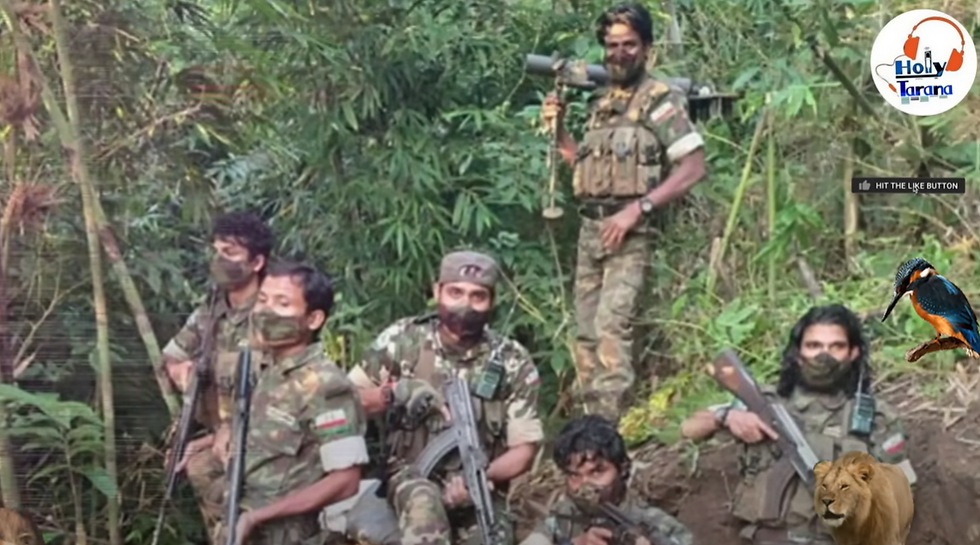
Rahman calls it "sensationalism," but ignores the ground reports of ARSA and RSO raids on non-Muslim villages in Maungdaw and Buthidaung—homes burned, men dragged away, women assaulted. Just last month, in October 2025, Fortify Rights documented three civilian deaths near Myo Yu village, pinned on ARSA fighters by ULA statements that Rahman has yet to challenge. He frames the AA as the real threat, recycling old tropes that paint Rakhine self-defense as "existential denial" of Bangagya/Rohingya history.
Worse, Rahman twists history to fit his slant. In a March 2024 DVB column, he revives a 2017 online speech by senior ULA leader Twan Morn Naing (also known as Aye Tun), yanking it out of context to smear the group as violent instigators. Listen to the full recording: Aye Tun urges Arakan youth to shun non-violence traps set by the Myanmar junta, warning them against picking sides in clashes between soldiers and ARSA militants. It's a call for restraint, not revenge—a plea to avoid the "political snare" that could drag innocents into endless war. But Rahman clips it short, linking it to 2024 border flare-ups as if Aye Tun scripted the bloodshed.
This is textbook contextomy: cherry-pick words, strip the nuance, and serve up a narrative that vilifies those fighting for Arakan's survival. He does the same with Chairman Twan Mrat Naing's recent interview, mocking the leader's joy at breathing "fresh air from the fatherland" after 16 years in exile—crossing seas, rivers, and rice fields to return home. Rahman brands it "poliitcal gesture," as if emotion is a crime for a man who's dodged junta bombs and betrayal. Where's the politics in homesickness? It's a low blow, rooted in the same pre-loaded bias that sees every Arakan voice as suspect.
Rahman's pattern runs deeper. In October 2025's DVB piece, he dissects Twan Mrat Naing's Irrawaddy interview on repatriation, accusing the AA of offering Rohingya "national rights" only as a hollow gesture—vetting returnees, stripping autonomy, all while blaming Bangladesh for birthing ARSA and RSO. Fair enough to probe motives, but Rahman skips the AA's repeated offers for safe returns under joint monitoring, or how jihadist holdouts in the camps sabotage those talks with cross-border raids.
He amplifies diaspora whispers of AA "abuses" without balancing them against eyewitness accounts from Mro, Khami, Thet, Hindu, and Rakhine survivors—families whose cries echo unanswered. Just weeks ago, RSO clashed with ARSA in No Man's Land, displacing hundreds and killing at least one, yet Rahman's feed stays quiet on how these same groups fuel northern Arakan's terror: roadside bombs maiming farmers, abductions of Hindu teens, arson on Daingnet hamlets. His newsletter, quick with camp timelines of ARSA kidnappings, offers no such ledger for Buthidaung's bloodied fields.

So why the silence? Is it strategic neglect, a nod to funders or sources who frown on "complicating" the Rohingya story? Rahman has faced his own heat—Bangladeshi agents grilling camp youth about him in 2024, labeling his work "harassment by proxy." Brave stuff, but bravery should cut both ways. True independence demands equal ink for every victim: the Rohingya child press-ganged into RSO ranks, yes, but also the Mro elder gunned down in his paddies, the Khami girl orphaned by ARA fire. Northern Arakan bleeds from jihadist blades as much as junta guns, yet Rahman's lens stays fixed on one shore.
Readers, demand better. When a journalist spotlights camp tyrants but mutes border horrors, his independence frays. The non-Muslim dead—Rakhine fishermen sniped at dawn, Hindu traders vanished mid-market, Thet villagers fleeing midnight raids—deserve their headlines too.
Can't Rahman hear their wails, carried on the wind from Maungdaw's hills? Or does the roar of his own narrative drown them out? Until he listens, his reports risk becoming just another echo in the conflict's hall of mirrors: clear on one side, clouded on the other. Arakan's peace won't come from half-truths. It needs voices that name every monster, no matter the flag they fly.


