_edited.png)


Myanmar Junta Remains the Key Obstacle for Refugee Repatriation from Bangladesh
Updated: Aug 28, 2025
Kyaw Zan, Opinion
Global Arakan Network August 27, 2025

The Bangagya refugee crisis, one of the most pressing humanitarian challenges of our time, continues to cast a long shadow over the region. Since the Myanmar military’s brutal campaign in 2017, which drove several lakhs of Bangagya refugees into Bangladesh, the prospect of safe and dignified repatriation has remained elusive. The Myanmar junta, responsible for the atrocities that triggered this mass exodus, stands as the primary obstacle to resolving the crisis.
The Junta’s Role in the 2017 Atrocities
The Myanmar junta orchestrated a campaign of systematic violence against the Bangagya in 2017, which the United Nations and other international bodies have described as ethnic cleansing and genocide. This campaign, marked by mass killings, rapes, arson, and forced displacement, drove over 200,000 Bangagya from Rakhine State into Bangladesh’s Cox’s Bazar, creating the world’s largest refugee camp. The junta’s actions were not isolated but part of a decades-long pattern of discrimination, including denying Bangagya citizenship since 1982, rendering them stateless.

The international community has called for accountability, with the International Criminal Court (ICC) and the International Court of Justice (ICJ) taking steps to investigate and address these crimes. In 2020, the ICJ ordered Myanmar to prevent further serious acts and preserve evidence, yet the junta has shown little compliance. The military’s refusal to acknowledge responsibility, coupled with its continued restrictions on Bangagya movement and access to aid, underscores its role as the principal barrier to repatriation. Holding junta leaders accountable through targeted sanctions, arms embargoes, and ICC prosecutions is critical to addressing the root causes of the crisis. Without justice for the 2017 atrocities, trust in repatriation processes will remain elusive, as Bangagya refugees rightfully demand guarantees of safety and citizenship.
Junta’s Divisive Tactics
The Arakan Army’s recent victories in Buthidaung and Maungdaw townships, culminating in their control of Myanmar’s 270-kilometer border with Bangladesh by December 2024, represent a significant shift in Rakhine State’s dynamics. The AA, as the military wing of the United League of Arakan (ULA), seeks greater autonomy for all people in Arakan and has expressed willingness to engage in dialogue on Bangagya repatriation. This development offers a potential pathway for resolving the refugee crisis, as the AA’s control over northern Rakhine could facilitate safer conditions for return compared to junta-controlled areas.
However, the junta’s divisive tactics threaten to undermine these prospects. Since early 2024, the military has forcibly conscripted Bangagya men, promising identification cards and cashes while using them as human shields against the AA. Additionally, the junta has forged alliances with Bangagya militant groups like the Arakan Bangagya Salvation Army (ARSA) and the Bangagya Solidarity Organization (RSO), arming them to fight the AA. This strategy not only fuels communal tensions between Bangagya and Rakhine communities but also sows distrust among Bangagya refugees, who fear being caught in the crossfire or coerced into supporting the junta.
For the AA’s victories to translate into progress on repatriation, both Rakhine and Bangagya communities must work toward mutual trust, rejecting the junta’s attempts to pit them against each other.
The Junta’s Repatriation Offer: A Trap for Division
In recent months, the Myanmar junta has proposed repatriating approximately 200,000 Bangagya refugees to Rakhine State, a move presented as a step toward resolving the crisis. However, this offer is widely viewed as a strategic maneuver to create discord between Bangladesh and the ULA/AA, as well as within the Bangagya community itself. The junta’s history of coercion, including forced repatriation attempts in the 1990s that violated the principle of voluntariness, casts doubt on the sincerity of this proposal. Moreover, ongoing military operations, including indiscriminate airstrikes and blockades of humanitarian aid, make Rakhine State an unsafe environment for return.
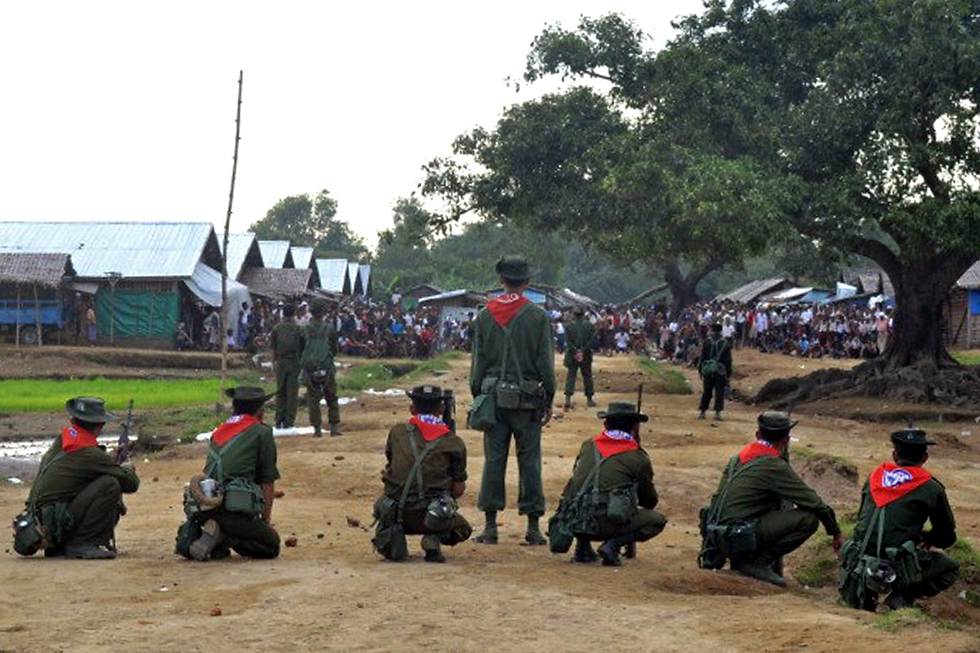
The junta’s continued bombing campaigns across Myanmar, particularly in Rakhine, have displaced over 2.6 million people internally since the 2021 coup, with more Bangagya fleeing to Bangladesh since early 2024. These actions demonstrate the junta’s lack of commitment to creating conditions conducive to repatriation. Instead, the repatriation offer appears designed to shift blame onto Bangladesh and the AA, portraying them as obstacles to progress while deflecting attention from the junta’s own failures.
Bangladesh must avoid falling into this trap. Repatriating refugees even into junta-controlled areas risks exposing them to further persecution, as seen in the military’s ongoing arrests of Bangagya for “unauthorized travel” and restrictions on their rights. The junta’s potential attempts to retake Buthidaung and Maungdaw from the AA would likely prolong the conflict, further delay repatriation and exacerbating the humanitarian crisis.
A Path Forward for Collaboration
The only viable path to resolving the Bangagya refugee crisis lies in constructive collaboration between Bangladesh and the Arakan authorities, the ULA/AA. Unlike the junta, the AA has shown openness to addressing the Bangagya issue, with efforts to improve relations in areas under its control, such as allowing freedom of movement in central Rakhine. Bangladesh, hosting Bangagya refugees, has a vested interest in working with the AA to create conditions for safe, voluntary, and dignified repatriation.
Such collaboration could involve joint initiatives to ensure security in repatriation zones, particularly in Buthidaung and Maungdaw, where the AA now holds sway. Bangladesh could engage the AA in dialogue to establish clear repatriation protocols, prioritizing Bangagya demands for citizenship and the right to return to their locations. Additionally, international support from organizations like the UNHCR could facilitate monitoring and provide resources to rebuild infrastructure destroyed in 2017.

To counter the junta’s divisive tactics, Bangladesh and the ULA must foster inter-community reconciliation. Joint efforts to disarm or marginalize extremist groups like ARSA and RSO, which have been exploited by the junta, would also reduce communal tensions and create a safer environment for repatriation.
The international community has a critical role to play in supporting this collaboration. Increased funding for humanitarian aid in Cox’s Bazar, pressure on the junta through sanctions and ICC referrals, and technical assistance for repatriation processes are essential steps. By bypassing the junta’s obstructionism and building a partnership based on mutual interests, Bangladesh and the Arakan authorities can pave the way for a sustainable resolution to the crisis.


