_edited.png)


Forging Solutions to the Bangagya Muslim Crisis in northern Arakan: An Arakan Perspective
- Sep 30, 2025
- 4 min read
Opinion
Global Arakan Network September 30, 2025

The crisis involving the Bangagya (Rohingya) Muslim population in northern Arakan is a deeply rooted challenge that intertwines historical tensions, state-driven marginalization, ethnic coexistence, and the pressures of a massive refugee population.
As a historically marginalized ethnic group within Myanmar, the Arakanese seek to preserve their cultural identity, political autonomy, and economic stability while addressing the complex dynamics with the Muslim community. The four proposed points—acknowledging colonial immigration, addressing state oppression, promoting social cohesion, and finding sustainable refugee solutions—offer a framework for resolving this crisis while prioritizing Arakanese interests.
Acknowledging Colonial Immigration Patterns
The Arakanese perspective begins with recognizing the historical influx of Chittagonian Bengagya into Arakan during British colonial rule (1824–1948), alongside a smaller pre-colonial Muslim presence. For the Arakanese, the colonial period marked a significant demographic shift, as British policies encouraged migration from the Chittagong region to support rice cultivation and trade.
This influx altered Arakan’s ethnic composition, leading to competition over land and resources that strained relations with the native Arakanese Buddhist majority. While a small Muslim community existed in pre-colonial Arakan, often as traders or settlers under the Arakanese Kingdom, the colonial-era mass migration is seen as a turning point that intensified local perceptions of Muslims as outsiders.
Acknowledging this history is essential for the Arakanese to contextualize their concerns about cultural and demographic change. It does not negate the Muslim presence but highlights the rapid population shifts that fueled tensions. For Arakanese communities, this acknowledgment can foster dialogue by validating their historical narrative while encouraging Bengagya Muslims to recognize the impact of colonial policies. Such mutual understanding could reduce mistrust, paving the way for cooperative solutions that respect Arakanese heritage while addressing Muslim claims to belonging.
Addressing State-Led Oppression
The state-led oppression, particularly by Bamar Buddhist governments, is a shared grievance with Muslims for the Arakanese, though with distinct implications. The Myanmar government’s policies, such as the 1982 Citizenship Law and military operations like the 2017 crackdown, have targeted Muslims in northern Arakan, displacing hundreds of thousands and exacerbating local tensions.
However, the Arakanese themselves have faced marginalization by the Bamar-dominated state, which has suppressed their autonomy and cultural identity. The state’s actions against Muslims have not only caused humanitarian crises but also destabilized Arakan by militarizing the region and pitting communities against each other.

Accountability for state-led crimes is a priority, but the Arakanese seek a balanced approach that avoids further inflaming local tensions. They support investigations into military atrocities, provided these also address Bamar oppression of Arakanese interests. For instance, land confiscations and economic neglect in Arakan have harmed both communities.
An Arakanese-led process, potentially through the Arakan government, could advocate for justice mechanisms that hold perpetrators accountable while ensuring Arakanese voices shape the outcome. This could include local tribunals or truth commissions that address grievances without external imposition, aligning with Arakanese aspirations for self-governance.
Promoting Social Cohesion
Promoting social cohesion with Bengagya Muslims is a pragmatic necessity but fraught with challenges due to historical mistrust and resource competition. The Arakanese fear cultural erosion and economic strain in their homeland, where Muslims, particularly in northern Arakan, form a significant population. Past violence, including communal clashes in 2012, has deepened divisions, with some Arakanese viewing Muslims as a threat to their national identity. Yet, many recognize that peaceful coexistence is essential for Arakan’s stability, especially under the Arakan government led by the ULA.
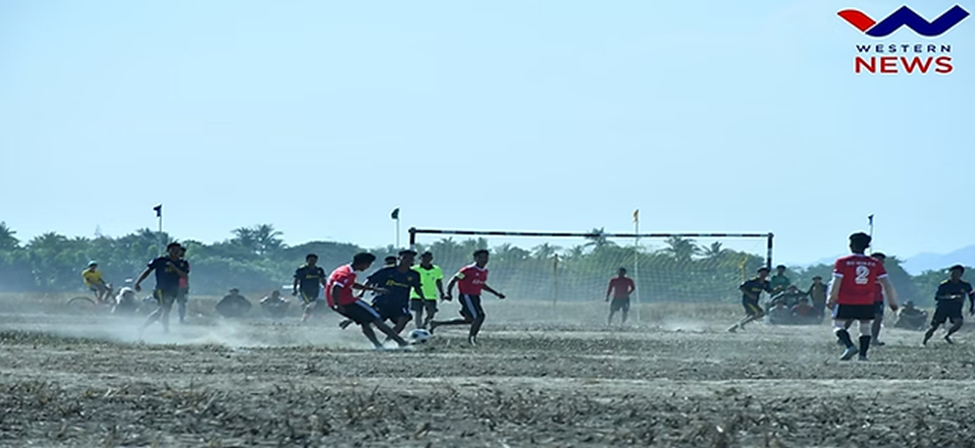
Social cohesion initiatives, such as joint economic projects or interfaith dialogues, could bridge divides. For example, cooperative markets or agricultural programs could benefit both communities, reducing competition over scarce resources. Engaging the ULA is critical, as their control over Arakan, including the Bangladesh border, positions them as key stakeholders. Recent cooperation, like facilitating rice exports to Bangladesh, shows their potential to mediate.
However, the Arakanese insist that cohesion efforts prioritize local concerns, such as preserving Arakanese culture and ensuring equitable resource distribution. The ULA must engage Muslims constructively, perhaps through inclusive local governance structures, while addressing Arakanese fears of demographic imbalance. International NGOs could support these efforts with funding and expertise, but interventions must respect Arakanese leadership.
Sustainable Refugee Solutions
The refugee crisis, with several hundreds thousands of Muslims in Bangladesh’s camps, places immense pressure on Arakan. From an Arakanese perspective, the presence of groups like the Arakan Rohingya Salvation Army (ARSA) and Rohingya Solidarity Organization (RSO) fuels security concerns, as their attacks, like those in 2017, have provoked military retaliation that destabilizes Arakan. The demographic burden of repatriation is a major worry, as Arakan’s limited resources and infrastructure cannot support a large returnee population without risking further ethnic tensions.

Combating militancy is a priority for the Arakanese, who seek a secure Arakan free from violence. This involves neutralizing groups like ARSA through targeted security measures while addressing root causes like poverty and exclusion that fuel militancy. However, the Arakanese are skeptical of mass repatriation without guarantees of stability.
Integrating Bengagya Muslims into Bangladesh’s local communities, through work permits or education, could reduce pressure on Arakan, but this requires international support to avoid straining Bangladesh’s resources. Third-country resettlement, as seen in limited cases in Canada or Australia, is another viable option if global willingness is positive.
For the Arakanese, any repatriation must be gradual, tied to citizenship verification processes they trust, and supported by economic investments to bolster Arakan’s capacity. The ULA’s role in negotiating these terms is crucial, ensuring solutions align with Arakanese priorities for autonomy and security.
Path Forward for Arakan
From an Arakanese perspective, resolving the Muslim crisis requires balancing historical acknowledgment, justice, coexistence, and practical refugee management. Recognizing colonial migration validates Arakanese concerns while opening dialogue with Muslims. Addressing state oppression aligns with Arakanese struggles against Bamar’s military dominance, but accountability must be locally driven.
Social cohesion, supported by the ULA, can rebuild trust if it respects Arakanese identity. Sustainable refugee solutions must prioritize Arakan’s stability, combat militancy and exploring integration or resettlement options.
The Arakanese, through the ULA government, are poised to shape their region’s future. International actors, like the UN or ASEAN, should support Arakanese-led initiatives with funding and diplomatic pressure on Myanmar’s junta to restore rights without undermining local autonomy.
Grassroots efforts, backed by economic incentives, can complement these strategies. By centering Arakanese agency, solutions can address the Bengagya crisis while safeguarding Arakan’s cultural and political aspirations, fostering a stable and inclusive future.


